







Cleanrooms: The Foundation of Safety and Quality for Biopharmaceutical Research
In semiconductor and electronics manufacturing, where nanoscale precision defines product performance and yield, cleanrooms are not optional—they’re mission-critical infrastructure.
In semiconductor and electronics manufacturing, where nanoscale precision defines product performance and yield, cleanrooms are not optional—they’re mission-critical infrastructure. Unlike general-purpose laboratories, cleanroom environments in this sector demand rigorous control over airborne particulates, electrostatic discharge (ESD), temperature, humidity, and chemical vapors. Contamination from a single micron-sized particle can compromise wafer integrity; volatile organic compounds (VOCs) from standard materials may outgas and coat sensitive photomasks; uncontrolled airflow can redistribute contaminants across process tools. That’s why leading fabs and advanced packaging facilities partner with engineering-focused suppliers who understand both ISO Class 5–8 requirements and the unique material, structural, and operational constraints of high-precision electronics production. This article outlines how purpose-built cleanroom components—from wall panels and air filtration systems to specialized laboratory furniture—directly support yield assurance, operator safety, and regulatory readiness in semiconductor R&D and pilot-line manufacturing.
Structural Integrity & Material Compatibility: Building for Semiconductor-Grade Clean Environments
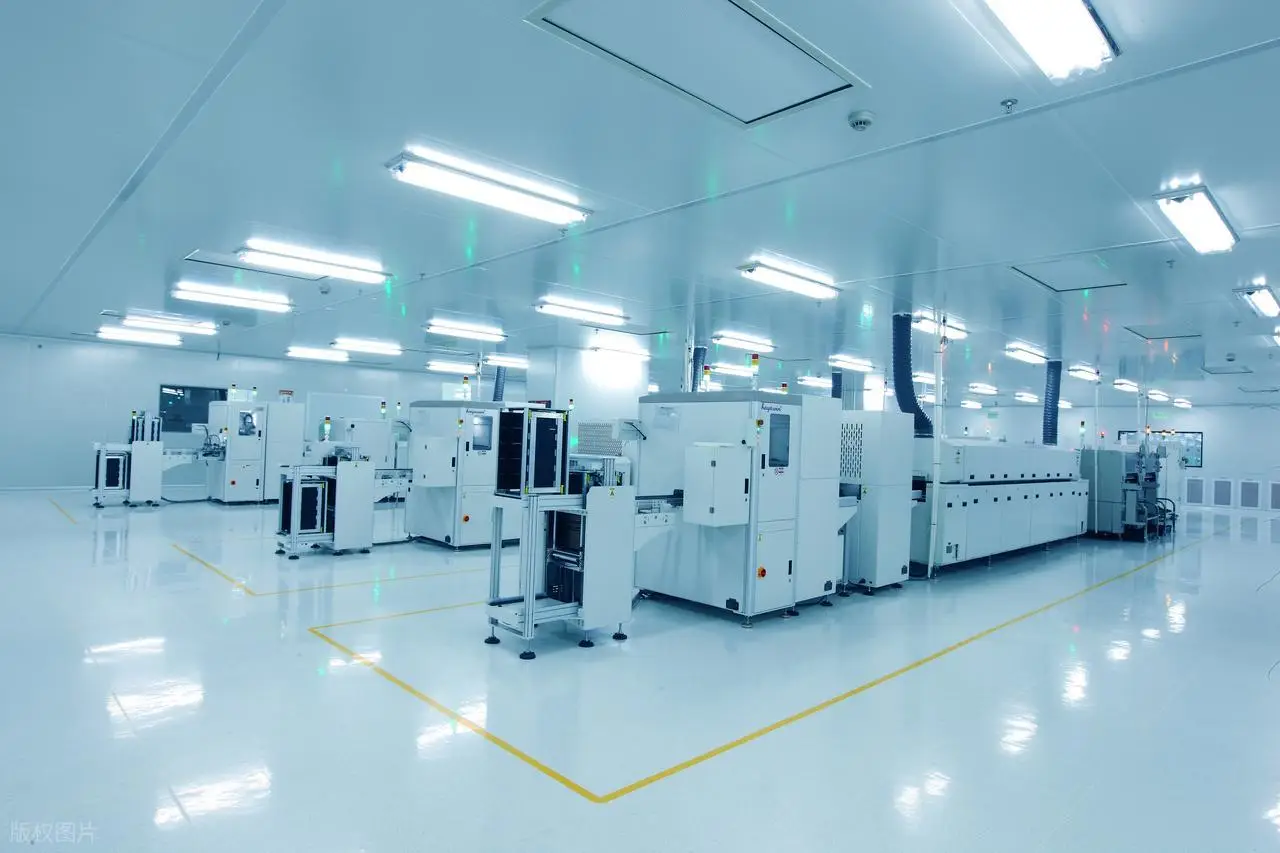
For semiconductor manufacturers, cleanroom walls, ceilings, and doors must do far more than contain particles—they must resist corrosion from aggressive cleaning agents (e.g., piranha solution, hydrogen peroxide vapor), minimize particle shedding, prevent ESD buildup, and maintain dimensional stability under constant HVAC cycling. Standard drywall or painted gypsum simply won’t suffice. Instead, engineered solutions like sandwich panel systems—featuring aluminum profile frames with non-shedding, non-porous cores—are widely adopted. High-performance variants use fiberglass reinforced plastic panels or fiberglass reinforced wall panel constructions, offering superior chemical resistance, fire retardancy, and smooth, seam-minimized surfaces ideal for ISO Class 5–7 spaces. These panels integrate seamlessly with t bar ceiling systems that support HEPA-filtered laminar flow modules and lighting while enabling easy access to overhead utilities.
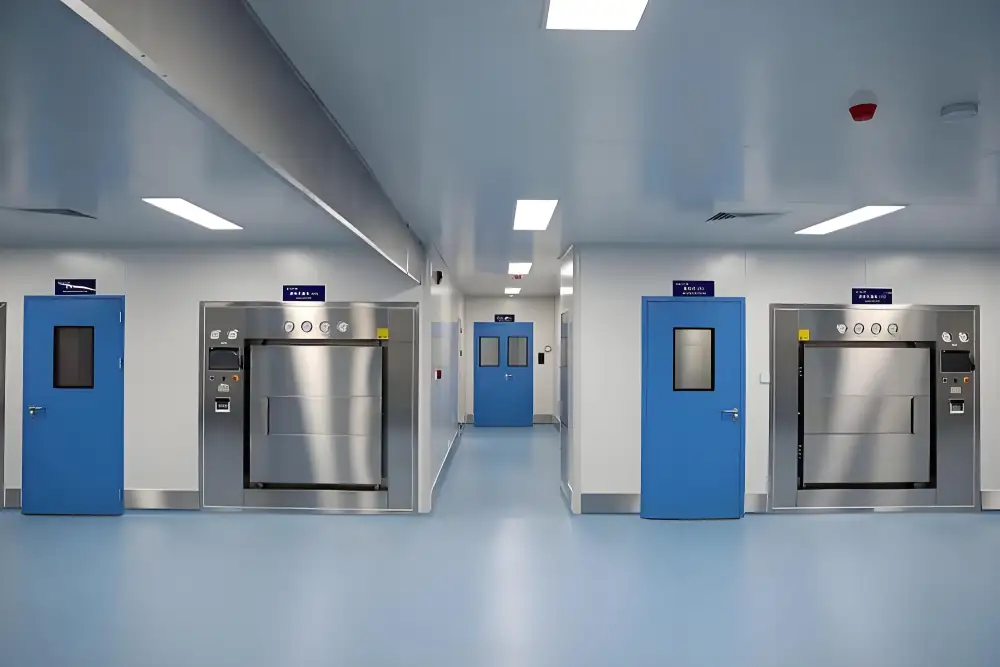
Doors are equally critical. Steel doors provide durability and ESD grounding capability when coated with conductive finishes, while glass door options—often using double glass window panes or double glass window configurations—offer visibility without compromising pressure differentials or thermal insulation. For hazardous or high-containment applications, fireproof door assemblies certified to UL 10B or EN 1634-1 ensure compliance during emergency egress or fire suppression events. Sound transmission is another often-overlooked factor: process tools generate significant noise, and adjacent cleanrooms require acoustic separation. That’s where soundproof panels and soundproof wall panels—integrated into wall and ceiling assemblies—deliver measurable decibel reduction without adding bulk or compromising cleanability. All structural elements must also interface with interlocked access systems: an interlock system prevents simultaneous opening of anteroom doors, maintaining pressure cascades and preventing cross-contamination between gowning areas, tool bays, and buffer zones.
Finally, windows aren’t just aesthetic—they’re functional. Double glass window panes reduce condensation and improve thermal efficiency, while their sealed construction prevents particle infiltration at frame junctions. When paired with aluminum profile framing and silicone-free gaskets, they meet stringent outgassing standards required for photolithography and metrology suites.
Air Management & Containment: Precision Filtration and Localized Protection
 Laminar Flow Hood and Air Shower Unit" style="max-width: 100%; height: auto;" />
In semiconductor fabrication, air quality isn’t about comfort—it’s about process fidelity. Particulate counts above 3,520/m³ (ISO Class 6) can cause pattern defects on sub-10nm nodes; molecular contamination (AMC) from ammonia or amines can poison photoresist chemistry. That’s why integrated air management starts at the perimeter and extends to the point of use. Entry points rely on robust personnel decontamination: the air filter within a multi-person air purification unit—such as an air shower tunnel—removes >99.99% of particles ≥0.3 µm from garments before personnel enter classified zones. These units integrate with clean room suit storage and donning protocols, ensuring consistent compliance across shift changes.
Within the cleanroom, laminar airflow is non-negotiable for photomask handling, probe station operation, and thin-film deposition. Laminar Flow Hood and Laminar Flow Cabinet units deliver unidirectional, HEPA- or ULPA-filtered air at controlled velocities (typically 0.3–0.5 m/s), creating particle-free work envelopes. Unlike generic lab hoods, semiconductor-grade versions feature stainless steel interiors, low-outgassing gaskets, and ESD-safe work surfaces compatible with wafer carriers and FOUPs. Where chemical handling occurs—such as wet bench etching or solvent-based resist stripping—Fume hood and Fume hoods must meet ASHRAE 110 or EN 14175 standards, with face velocities calibrated to capture VOCs and acid vapors without turbulence that could draw contaminants toward operators.
Complementing these localized systems is the broader HVAC strategy. Cleanrooms require high air change rates (60–200 ACH), precise humidity control (30–45% RH to manage static), and strict temperature stability (±0.5°C). This demands integrated air purification at the AHU level—including pre-filters, carbon beds for AMC removal, and final HEPA/ULPA banks—as well as real-time particle and gas monitoring. For sensitive metrology labs or EUV lithography tool rooms, even ambient ozone or nitrogen dioxide must be scrubbed. Here, modular panel soundproof ductwork and vibration-isolated fan arrays further isolate equipment noise and mechanical resonance—critical for atomic force microscopy (AFM) or scanning electron microscope (SEM) stability.
Every component contributes: glass door seals maintain pressure differentials; wall panels with welded seams prevent bypass leakage; and operating room-grade finishes on interior surfaces enable validated cleaning with IPA or hydrogen peroxide wipes. It’s a holistic ecosystem—where a single compromised fiberglass panel or undersized air filter can cascade into yield loss across multiple process steps.
Functional Integration: Laboratory Furniture, Workflow, and Operator Safety
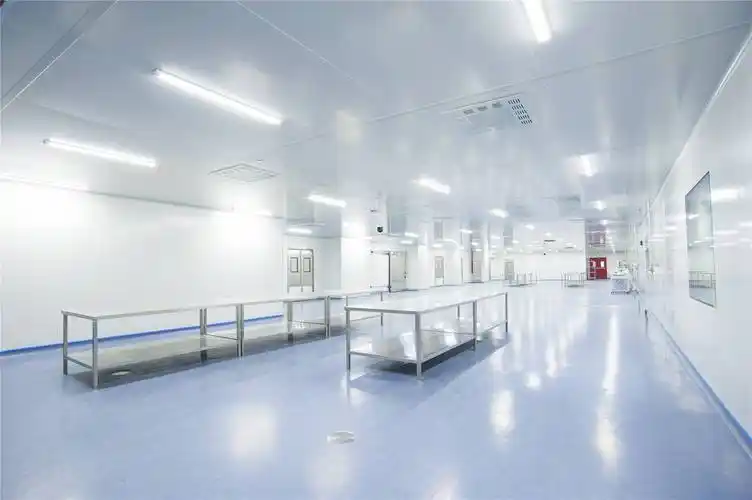
Cleanroom effectiveness hinges not only on air and structure—but on how people interact with the space. In semiconductor R&D labs and pilot-line cleanrooms, workflow efficiency, ergonomics, and contamination control are tightly coupled. That’s why laboratory furniture, especially laboratory table systems, must be engineered for both function and fidelity. Stainless steel (316L grade), epoxy-coated aluminum, or chemically resistant fiberglass reinforced plastic panels form the basis of work surfaces that withstand repeated exposure to solvents, acids, and plasma etchants—without corroding, pitting, or shedding micro-particulates. Integrated grounding points, ESD-dissipative laminate tops, and coved, seamless edges eliminate harborage points for residues.
Equipment placement follows strict zoning logic. Critical processes occur inside Laminar Flow Hood enclosures or Class 100 laminar flow benches; chemical dispensing happens inside certified Fume hood units; and final inspection or packaging may occur in ISO Class 7 operating room-style environments with soundproof panels to reduce auditory fatigue. All laboratory equipment—from spin coaters and hot plates to wafer bonders and leak detectors—is selected for low-vibration operation and minimal outgassing. Even casters, drawers, and cable management systems are specified for cleanroom compatibility: non-marking, non-shedding, and statically dissipative.
Gowning and personnel flow are equally engineered. Anterooms feature steel doors with interlock system controls, glass door observation windows, and wall-mounted laboratory furniture for glove donning and mask adjustment. Adjacent to these zones, clean room suit storage cabinets—constructed from sandwich panel or fiberglass reinforced wall panel materials—maintain garment integrity and prevent fiber shedding. For high-noise tool bays, soundproof wall panels separate operator stations from equipment corridors, improving concentration and reducing long-term hearing risk—especially important in 24/7 operations.
Ultimately, every element serves the same goal: enabling repeatable, contamination-free execution of complex processes. Whether it’s a double glass window allowing remote monitoring of a vacuum chamber, t bar ceiling supports for overhead crane access to lithography tools, or aluminum profile-framed pass-throughs for FOUP transfer—the design reflects deep understanding of semiconductor manufacturing realities. Suppliers who grasp these nuances—not just cleanroom specs, but Pharmaceutical Industry-adjacent rigor applied to Pharmaceutical engineering principles and adapted for electronics—deliver solutions that scale reliably from R&D cleanrooms to full-scale fab build-outs.
FAQns
What certifications and testing should I request from a cleanroom supplier serving semiconductor clients?
Ask for documented ISO 14644-1 (airborne particle classification), ISO 14644-3 (testing methods), and ISO 14644-4 (design and construction) compliance. Verify third-party validation reports for your specific configuration—including containment testing for Fume hood units (per ASHRAE 110), airflow visualization for Laminar Flow Hood systems, and surface resistivity testing for ESD-safe laboratory table and wall panels. Suppliers should also provide fire test reports (ASTM E84 or EN 13501-1) for all sandwich panel, fiberglass panel, and soundproof panels. For chemical resistance, request ASTM D543 immersion data against common solvents used in your process flow.
How do I ensure long-term compatibility between cleanroom components and my existing facility infrastructure?
Start with a detailed site survey covering structural load capacity, ceiling height, HVAC interface points (duct size, static pressure, exhaust routing), and electrical service (voltage, phase, grounding). Confirm that proposed steel doors, glass door, and fireproof door assemblies match your existing frame dimensions and swing direction. Ensure aluminum profile systems and t bar ceiling grids are compatible with your current grid spacing and suspension method. Most importantly, verify that all air filter and air purification units—including air shower tunnel models—interface with your building management system (BMS) via Modbus or BACnet for real-time monitoring and alarm integration.
Can your cleanroom solutions support future upgrades—like transitioning from ISO Class 7 to Class 5—or integration with automated material handling?
Yes—modular design is core to our approach. Our sandwich panel and fiberglass reinforced plastic panels systems allow incremental expansion or reconfiguration without full demolition. Upgrading to stricter classifications involves adding ULPA filters, increasing air change rates, and installing higher-spec Laminar Flow Cabinet units—all supported by our scalable HVAC integration packages. For AMHS (Automated Material Handling Systems), we embed reinforced mounting rails into wall panels and ceiling structures, integrate sensor-ready cutouts for AGV navigation, and design double glass window panes with anti-reflective, IR-transparent coatings for optical guidance systems. All interlock system controllers are programmable to accommodate new access protocols and throughput requirements.