





CONTACT US
Negative Pressure Weighing Room
Overview:
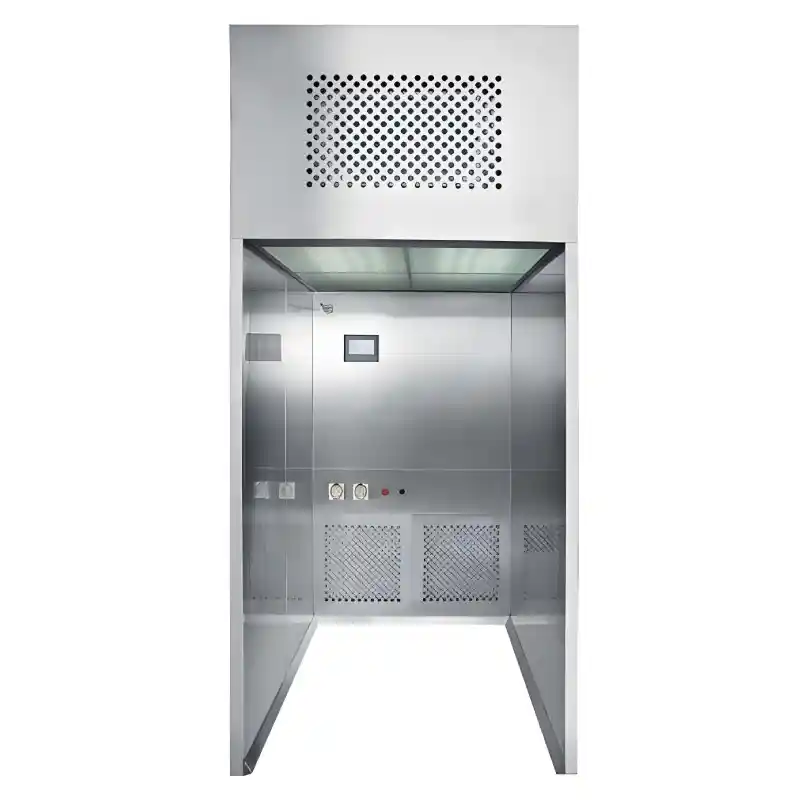
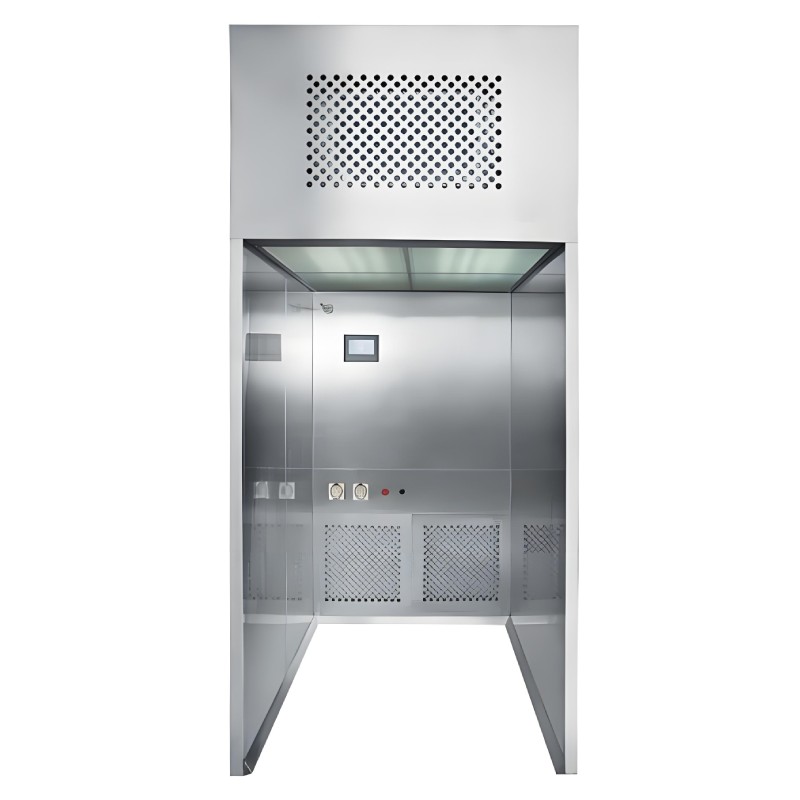
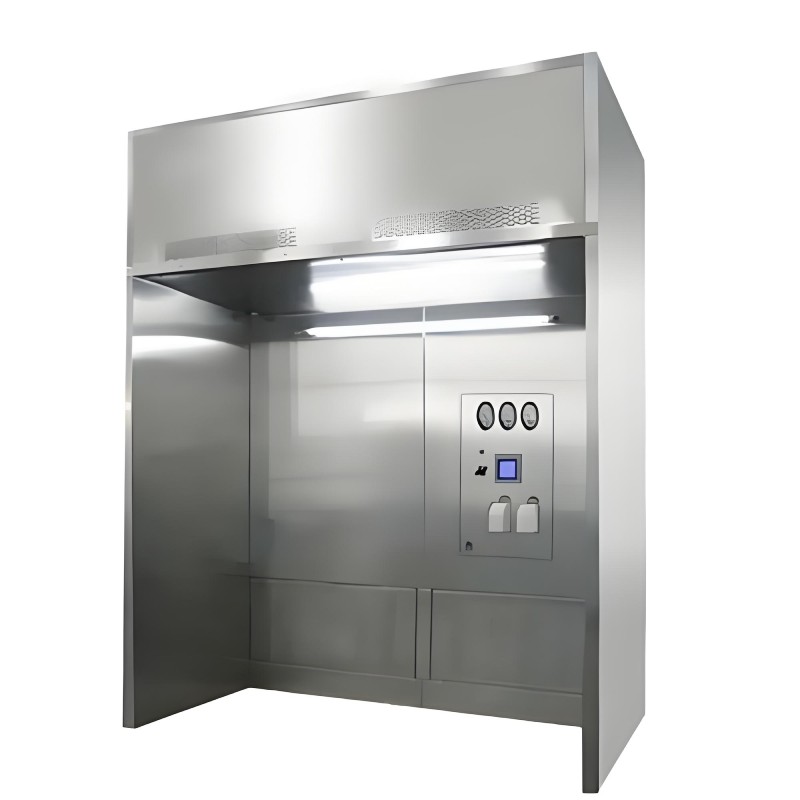
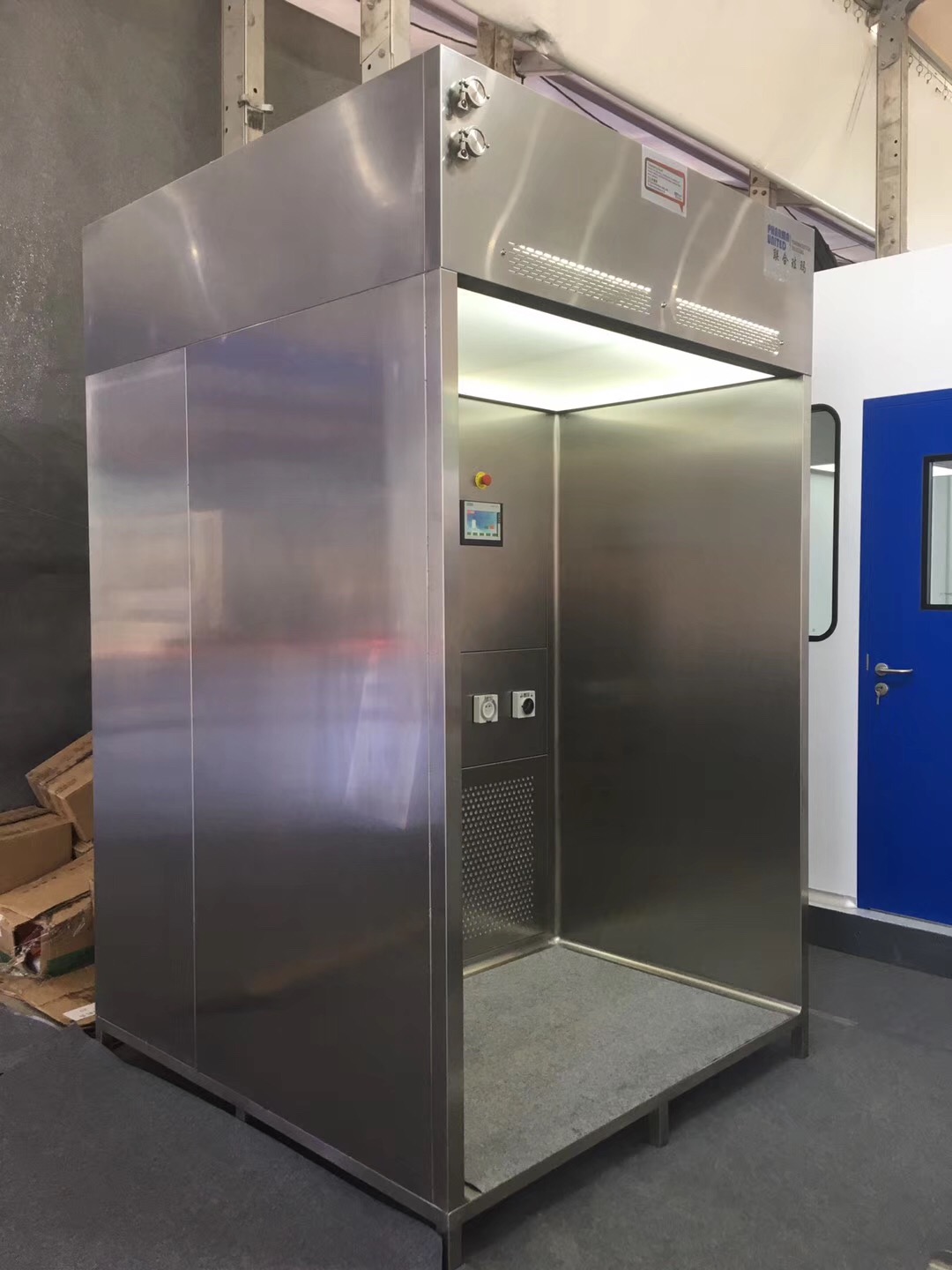
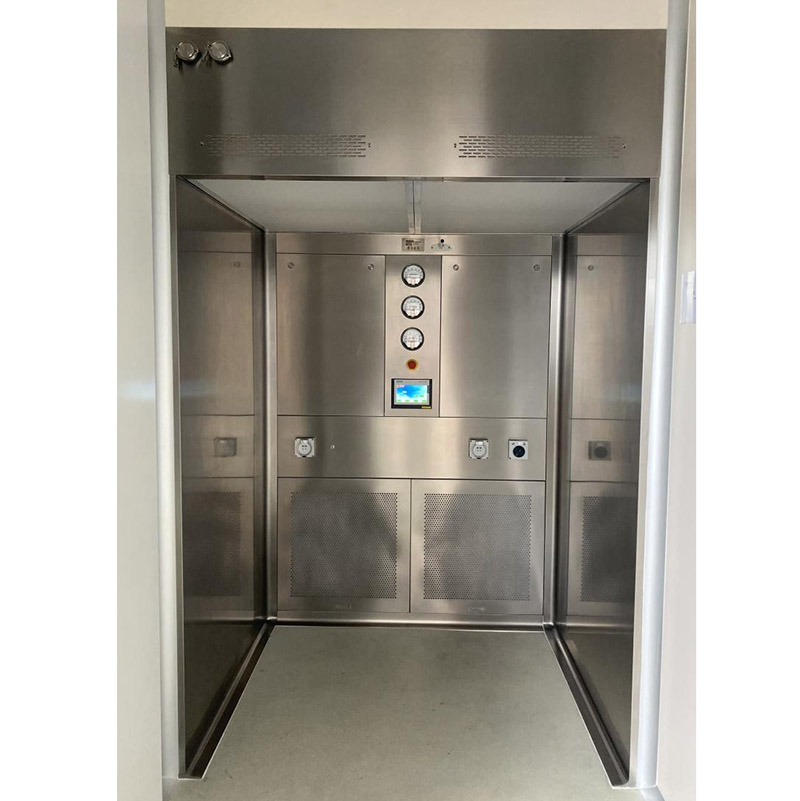
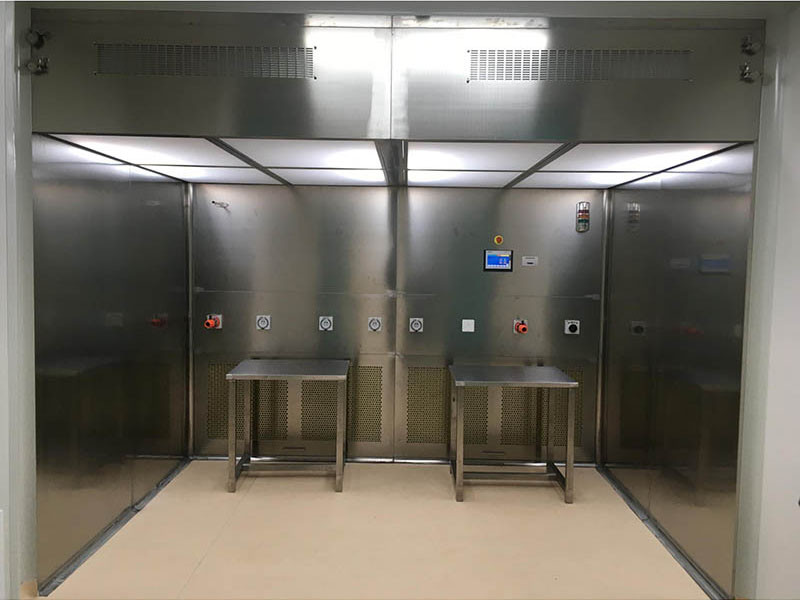
The negative pressure weighing chamber is a specialized local purification equipment used in pharmaceutical manufacturing, microbiological research, scientific experiments, and other similar settings. It provides a vertical unidirectional airflow, with some clean air circulating within the operating
Hot Tags:
DETAIL:
Product Introduction
The negative pressure weighing chamber is a specialized local purification equipment used in pharmaceutical manufacturing, microbiological research, scientific experiments, and other similar settings. It provides a vertical unidirectional airflow, with some clean air circulating within the operating area and some airflow being expelled into the room or outdoors, creating a negative pressure in the operating area to prevent cross-contamination. This ensures a high-cleanliness environment in the operating area, where materials and reagents are weighed or aliquoted. While protecting the external environment and the safety of the operating area, it effectively avoids dust rising, reagent spillage, and inhalation hazards to humans.
Product Features
1. The box body is made of SUS304 oil-film short-wire stainless steel, which is clean, beautiful, and easy to clean
2. Adopting modular design, facilitating handling and on-site assembly
3. The return air plate at the upstream end of the coarse and medium efficiency filters adopts a quick-release structure, making maintenance and replacement of coarse and medium efficiency filters more convenient. 4. Equipped with a high-precision wind speed sensor and PLC automatic control system, it can precisely and stably adjust the wind speed, maintaining uniformity of airflow at the return air outlet. 5. It is equipped with a Camfl liquid tank high-efficiency filter and uses Silicone jelly glue with better wrapping ability to avoid the risk of frame leakage caused by long-term equipment vibration
FAQ
- 1 Can pharmaceutical-grade cleanroom components be used in semiconductor fabs?
- 2 What cleanroom classification is required for ASML’s high-NA EUV lithography tools?
- 3 How long should the booth run before use?
- 4 How does a negative pressure weighing booth work?
- 5 How does laminar flow protect sensitive work surfaces?
- 6 What equipment is needed for safe powder weighing?
- 7 How is airflow managed in local clean equipment setups?
- 8 How to maintain air quality in modular cleanroom structures?
1
Can pharmaceutical-grade cleanroom components be used in semiconductor fabs?
Yes—and they’re increasingly preferred. Pharmaceutical clean room panels and Pharmaceutical cleanroom ceiling systems meet or exceed semiconductor requirements for low outgassing, surface smoothness, and cleanability. Their certified VOC profiles, ESD-compliant finishes, and gasketed construction make them ideal for EUV tool enclosures and metrology bays. Just ensure the supplier validates performance against SEMI standards—not just ISO or USP <797>.
2
What cleanroom classification is required for ASML’s high-NA EUV lithography tools?
ASML specifies localized ISO Class 3 (equivalent to class 100 clean room in older Fed-Std-209E terms) conditions directly around the scanner’s optical column and reticle stage. Surrounding tool service zones typically require ISO Class 4–5, while general fab bays may operate at ISO Class 7 (class 10000 clean room). Full compliance requires zoned pressure cascades, real-time particle monitoring, and validated recovery times under 20 seconds after door opening—verified per ISO 14644-3.
3
How long should the booth run before use?
Turn on and run for 20 minutes minimum before use to establish proper airflow patterns and achieve required cleanliness levels.
4
How does a negative pressure weighing booth work?
The working area operates under negative pressure relative to background area. Static cleanliness equals background area cleanliness. Close exhaust port to create positive pressure for achieving Class A static cleanliness.
5
How does laminar flow protect sensitive work surfaces?
Unidirectional airflow protects products from contamination. A standard Clean laminar flow hood offers vertical or horizontal flow for benchtop work. The cleanroom Clean laminar flow hood variant integrates directly into facility designs for permanent stations. For flexible needs, a cleanroom Moving Laminar Hood Vehicle allows mobility across different workspaces. These units ensure ISO Class 5 conditions directly over the work surface to prevent particle settlement.
6
What equipment is needed for safe powder weighing?
Handling powders requires containment to protect operators. A cleanroom Negative Pressure Weighing Room prevents dust escape by maintaining lower pressure than surrounding areas. Materials enter through a cleanroom Pass Box to maintain zone integrity. General cleanroom Equipment must be compatible with cleaning agents used in these zones. Safety protocols ensure hazardous materials remain contained during weighing and dispensing processes.
7
How is airflow managed in local clean equipment setups?
Localized protection reduces overall facility costs. cleanroom Local Clean Equipment targets specific workstations effectively. A Clean laminar flow hood provides unidirectional airflow over open processes. For mobility, a cleanroom Moving Laminar Hood Vehicle allows flexible positioning of clean air zones where temporary sterile conditions are required for maintenance or setup.
8
How to maintain air quality in modular cleanroom structures?
Modular systems offer flexibility and speed. A cleanroom Clean Booth can be installed within existing facilities easily. Airflow is driven by a cleanroom Clean laminar flow hood mechanism. Regular filter checks are essential. Using a Clean Booth structure allows for rapid reconfiguration of production lines without compromising the established air cleanliness classification levels required for operation.